Victory for salmon and Southern Resident Orcas: Growth Management Hearings Board improves protections

On February 17, 2026, the Growth Management Hearings Board agreed with Futurewise and its allies that the Snohomish County critical areas regulations failed to adequately protect rivers and streams. Critical areas regulations are required to protect fish and wildlife habitats and must be updated every ten years. Snohomish County’s updated regulations left roughly 15,000 acres of existing riparian forests at risk of being adversely impacted by poorly located development. These riparian forests are important to protect Chinook salmon habitats and the habitats for other salmon and steelhead. The Chinook salmon from Snohomish County rivers are among the most important food sources for the endangered Southern Resident Orcas that live in Puget Sound. Both the Chinook salmon and Southern Resident Orcas are listed as threatened under the federal Endangered Species Act and need advocates fighting for continue protection of their habitats. This decision will set an important precedent on what is needed to protect salmon and steelhead habitat and a great next step in protecting critical species.

Snohomish County has until the end of 2026 to adopt regulations to protect these important habitats. Snohomish County has said it will not appeal the board’s decision. This win comes after advocacy from hundreds of volunteers in Snohomish calling on the county to not appeal, so thank you for sharing your voice!

Futurewise was joined in the appeal by the Pilchuck Audubon Society, the Adopt A Stream Foundation, the League of Women Voters of Snohomish County, and the Sno-Isle Sierra Club. Futurewise provided the legal representation for these participating organizations.
Victory for salmon and Southern Resident Orcas: Growth Management Hearings Board improves protections

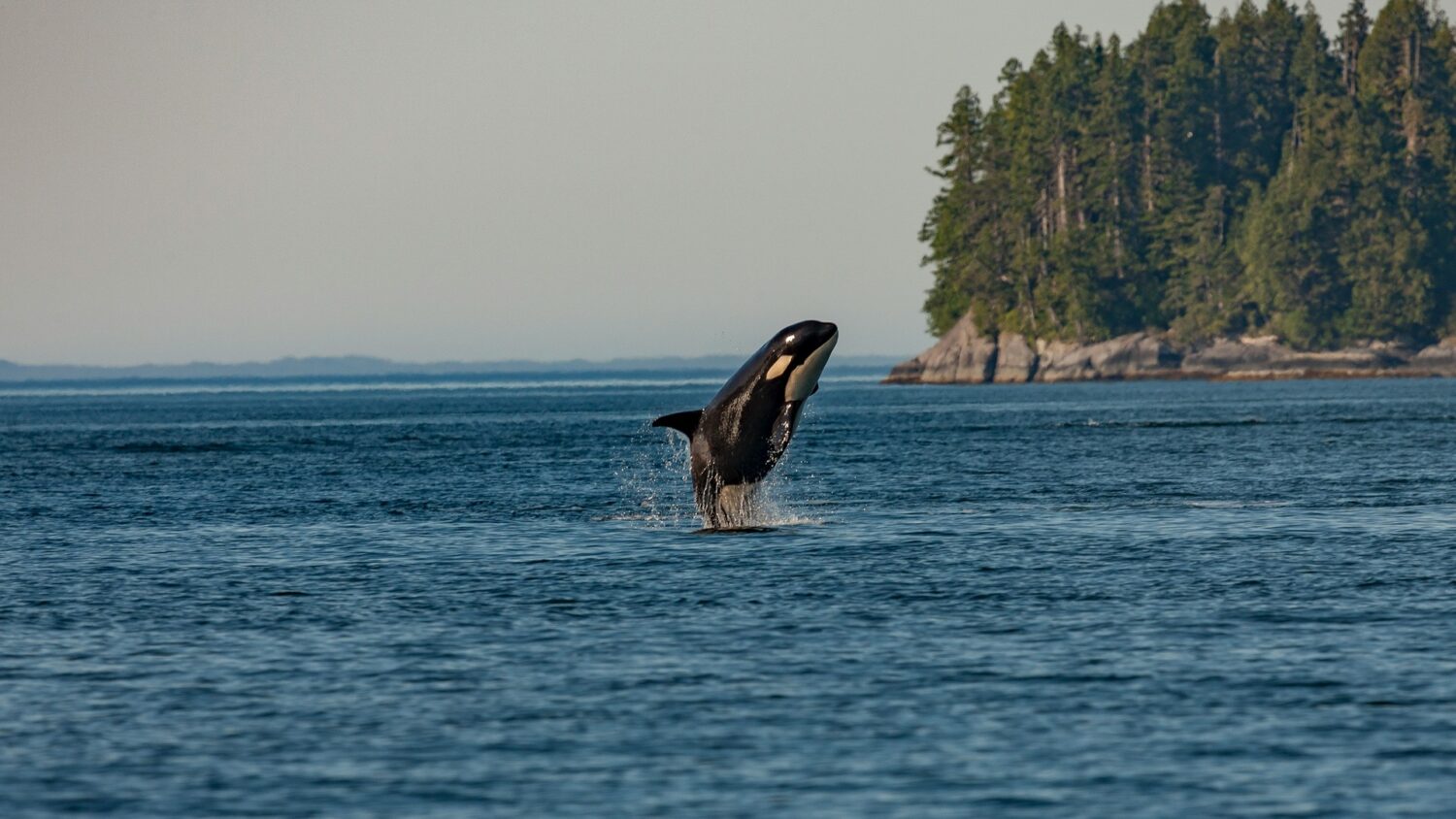
Southern resident orca breaches the ocean

On February 17, 2026, the Growth Management Hearings Board agreed with Futurewise and its allies that the Snohomish County critical areas regulations failed to adequately protect rivers and streams. Critical areas regulations are required to protect fish and wildlife habitats and must be updated every ten years. Snohomish County’s updated regulations left roughly 15,000 acres of existing riparian forests at risk of being adversely impacted by poorly located development. These riparian forests are important to protect Chinook salmon habitats and the habitats for other salmon and steelhead. The Chinook salmon from Snohomish County rivers are among the most important food sources for the endangered Southern Resident Orcas that live in Puget Sound. Both the Chinook salmon and Southern Resident Orcas are listed as threatened under the federal Endangered Species Act and need advocates fighting for continue protection of their habitats. This decision will set an important precedent on what is needed to protect salmon and steelhead habitat and a great next step in protecting critical species.

Snohomish County has until the end of 2026 to adopt regulations to protect these important habitats. Snohomish County has said it will not appeal the board’s decision. This win comes after advocacy from hundreds of volunteers in Snohomish calling on the county to not appeal, so thank you for sharing your voice!

Futurewise was joined in the appeal by the Pilchuck Audubon Society, the Adopt A Stream Foundation, the League of Women Voters of Snohomish County, and the Sno-Isle Sierra Club. Futurewise provided the legal representation for these participating organizations.

SST: July Meeting and Community Mixer

Connect & Create Change Shaping Spokane Together invites you to an afternoon of connection, conversation, and community power! Join your neighbors for our annual summer gathering to celebrate our collective strength. This is a welcoming space to meet new people, … Continue reading

Stephanie Dechaine Cameron
June 27, 2026

One of the First Test of Washington’s New Climate Planning Law: Aspirational Is Not Enough

For decades, Washington’s Growth Management Act has required cities and counties to plan thoughtfully for growth — protecting farmland, guiding development, and building communities where people can thrive. In 2023, with advocacy from Futurewise and partner organizations, the Legislature took … Continue reading

Marcella Buser
June 25, 2026