Win for water protections: Court of Appeals sides with Futurewise in Kitsap County challenge
Groundwater is easy to take for granted. It flows beneath our homes, supplies drinking water to rural communities, and helps sustain the streams and rivers that salmon and other wildlife depend on.
But as development expands, the demands on those water resources grow – and without effective regulations, the consequences can extend far beyond the properties where new wells are drilled.
Water resource protection was one of several key issues in Futurewise’s challenge to Kitsap County’s 2024 comprehensive plan update, and the Growth Management Hearings Board must give it serious consideration.
On November 17, the Washington Court of Appeals agreed with Futurewise that the Growth Management Hearings Board improperly dismissed our challenge to Kitsap County’s comprehensive plan update without adequately considering whether the County’s water regulations met state requirements.
At the heart of the case is a fundamental question: Are Kitsap County’s land use regulations doing enough to protect the water resources that people, fish, and wildlife depend on?
Why groundwater protections matter
Many rural homes in Washington rely on groundwater from private wells, including permit-exempt wells.
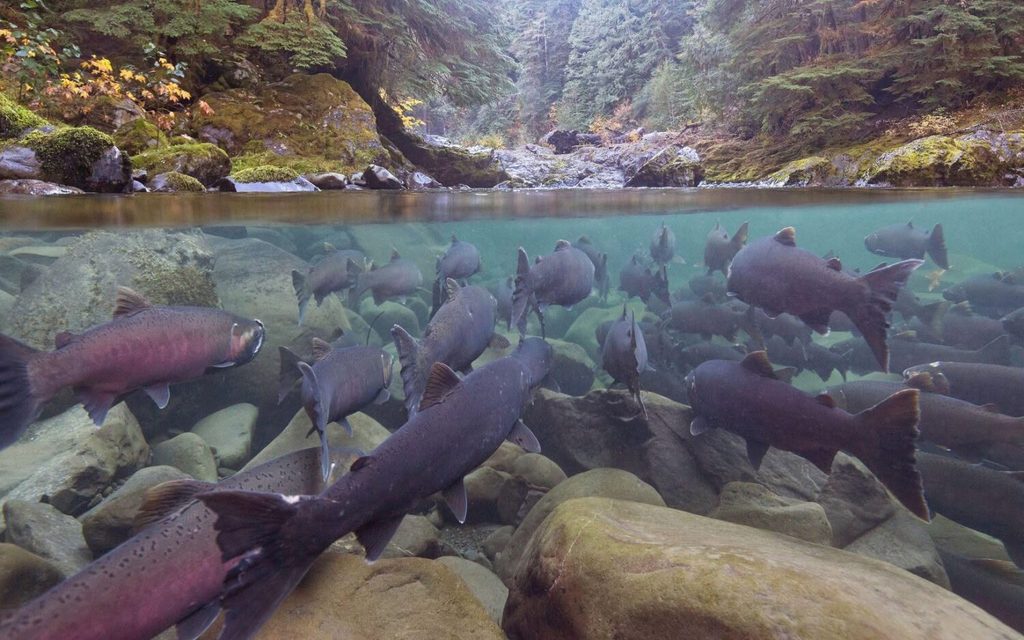
As rural development increases, so does demand for groundwater. And groundwater and surface water are closely connected. Groundwater withdrawals can reduce the water available to streams, affecting streamflows that salmon and other fish need to survive.
These impacts extend beyond individual properties. Healthy waterways are essential to tribal communities and fishers whose livelihoods and treaty-protected fishing rights depend on healthy rivers and streams.
This April, the Department of Ecology declared a statewide drought emergency, marking four consecutive years of drought across part or all of Washington. These growing challenges underscore the importance of protecting our water resources as cities and counties continue to grow.
Washington’s Growth Management Act (GMA) requires counties to protect surface water and groundwater through their comprehensive plans and development regulations.
You may recall that in 2016, Futurewise challenged Whatcom County for failing to meet those requirements.
In Whatcom County, v. Hirst and Futurewise et al., Futurewise challenged Whatcom County for failing to protect water resources under the Growth Management Act. We won. The Washington Supreme Court’s landmark Hirst decision held the County accountable and exposed gaps in the state’s approach to groundwater protections.
The decision prompted the Legislature to clarify how local governments must address water availability when approving development. In 2018, the Legislature passed new requirements, including RCW 36.70A.590, addressing permit-exempt wells and other local water protections.
Nearly a decade later, Futurewise is back in court, this time challenging Kitsap County to ensure those protections are reflected in local planning and development regulations. The Court of Appeals’ latest ruling brings us one step closer.
Counties planning for future growth must ensure their regulations adequately protect these essential resources. When counties fall short, Futurewise holds them accountable.
A closer look at Futurewise’s challenge
In 2025, Futurewise challenged Kitsap County’s 2024 comprehensive plan update, arguing, among other issues, that the County had failed to adequately protect groundwater and surface water as required by the Growth Management Act.
Under the GMA, counties must periodically review and update their comprehensive plans and development regulations to ensure they comply with state law. When the Legislature adds new requirements, counties must evaluate whether their existing plans and regulations meet those requirements and revise them when needed.
Kitsap County’s previous comprehensive plan update was adopted in 2016, before the Legislature established new water protection requirements in response to the Hirst decision.
Futurewise argued that the County failed to adequately address those requirements in its 2024 update, particularly the need to regulate development relying on permit-exempt wells and protect groundwater and surface water from the impacts of increased withdrawals.
The County disagreed. It argued that regulations adopted in 2018 had already addressed the state’s water protection requirements, meaning additional changes were not necessary as part of its 2024 comprehensive plan update.
The Growth Management Hearings Board dismissed Futurewise’s challenge without adequately examining whether the County’s existing regulations met state requirements. Futurewise appealed that decision to the Washington Court of Appeals.
The Board did rule in Futurewise’s favor on other key issues…
Housing: The Board agreed that Kitsap County’s comprehensive plan failed to adequately plan for the housing needs of all income groups, particularly lower-income households.
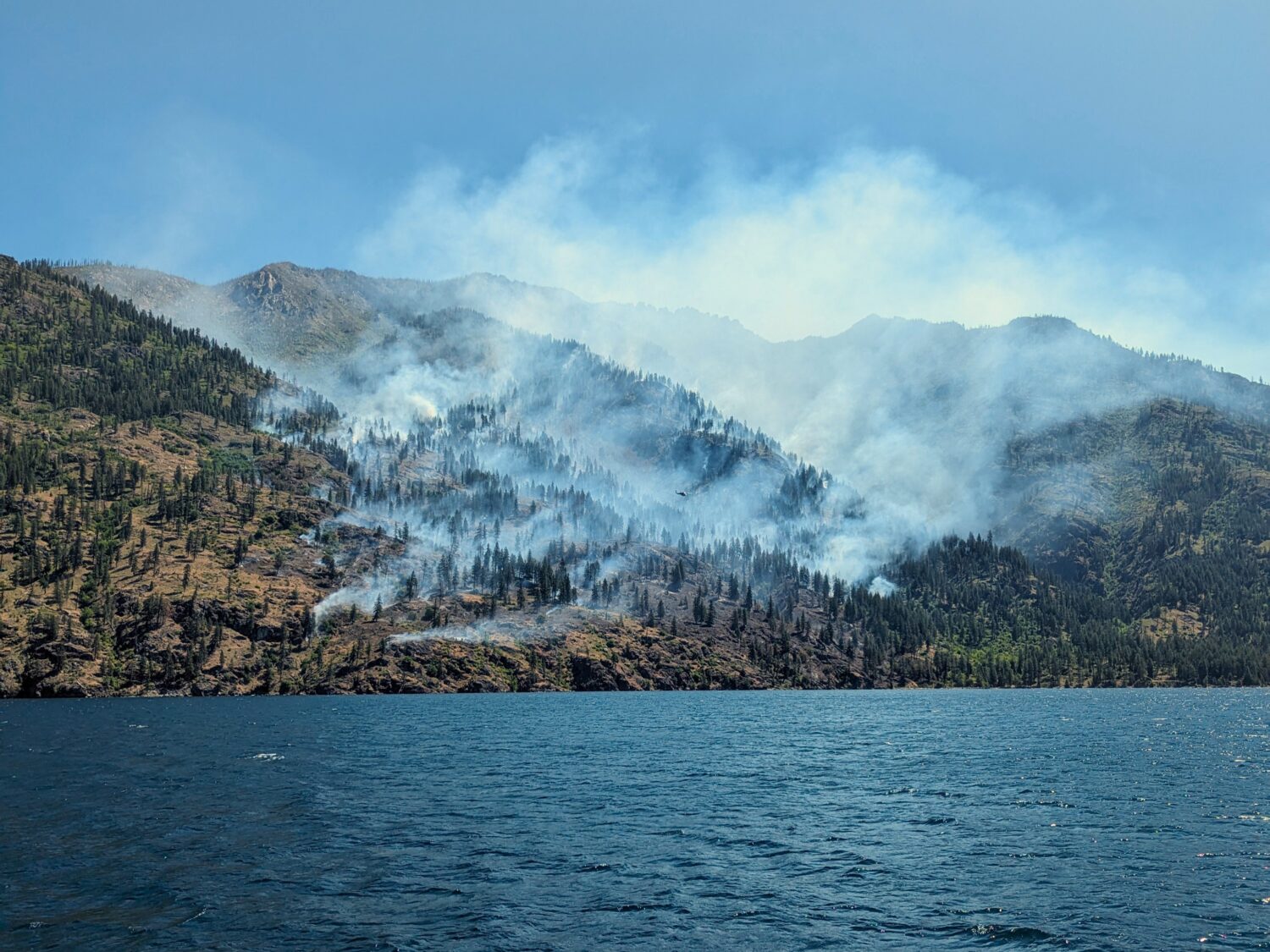
Wildfire Preparedness: The Board found that the County failed to include required policies and regulations addressing growth in wildfire-prone areas, identifying emergency and evacuation routes, and adequately planning for climate change.
What the Court decided
On November 17, the Washington Court of Appeals ruled in favor of Futurewise, finding that the Growth Management Hearings Board improperly dismissed our water protection challenge.
The Court agreed that the Board needed to evaluate whether Kitsap County’s 2018 regulations met state requirements and whether additional protections were needed in its 2024 comprehensive plan update.
Importantly, the Court did not decide whether the County’s regulations violate the GMA. Instead, it sent the case back to the Board to fully consider Futurewise’s arguments and determine whether the County met its obligations under state law.
This gives Futurewise another opportunity to ensure Kitsap County’s planning protects groundwater, streamflows, and salmon habitat.
Why this decision matters
Comprehensive plans are more than policy documents. They guide where and how communities grow, and their development regulations determine how those policies are put into practice.
Water protection is an essential part of that responsibility. Decisions about development and water use can affect groundwater supplies, streamflows, rivers, wetlands, and the communities and wildlife that depend on them.
When state laws establish new requirements, counties must ensure their comprehensive plans and development regulations meet those standards. The Court of Appeals’ decision reinforces that responsibility: counties cannot simply point to existing regulations and assume they satisfy state requirements. They must demonstrate that their plans and regulations comply with the law.
From challenging inadequate protections, to advancing stronger state laws, to returning to court to ensure those laws are implemented locally, Futurewise continues working to turn legal victories into meaningful change on the ground.
Because the ultimate measure of a legal victory is whether our communities, waterways, and wildlife are better protected because of it.
What’s next
The Court of Appeals sent the case back to the Growth Management Hearings Board, which must now reconsider Futurewise’s challenge, evaluate the County’s reliance on its 2018 regulations, and address the legal questions identified by the Court.
While the Court has not yet determined whether Kitsap County’s regulations violate the GMA, its decision ensures that Futurewise’s concerns receive the full consideration they deserve.
Futurewise will continue working to ensure that local governments meet their obligations under the Growth Management Act and that Washington’s groundwater, rivers, and streams are protected for the communities, salmon, and wildlife that depend on them.
Read More
Win for water protections: Court of Appeals sides with Futurewise in Kitsap County challenge
November 28, 2026
Groundwater is easy to take for granted. It flows beneath our homes, supplies drinking water to rural communities, and helps sustain the streams and rivers that salmon and other wildlife depend on. Continue reading
Read more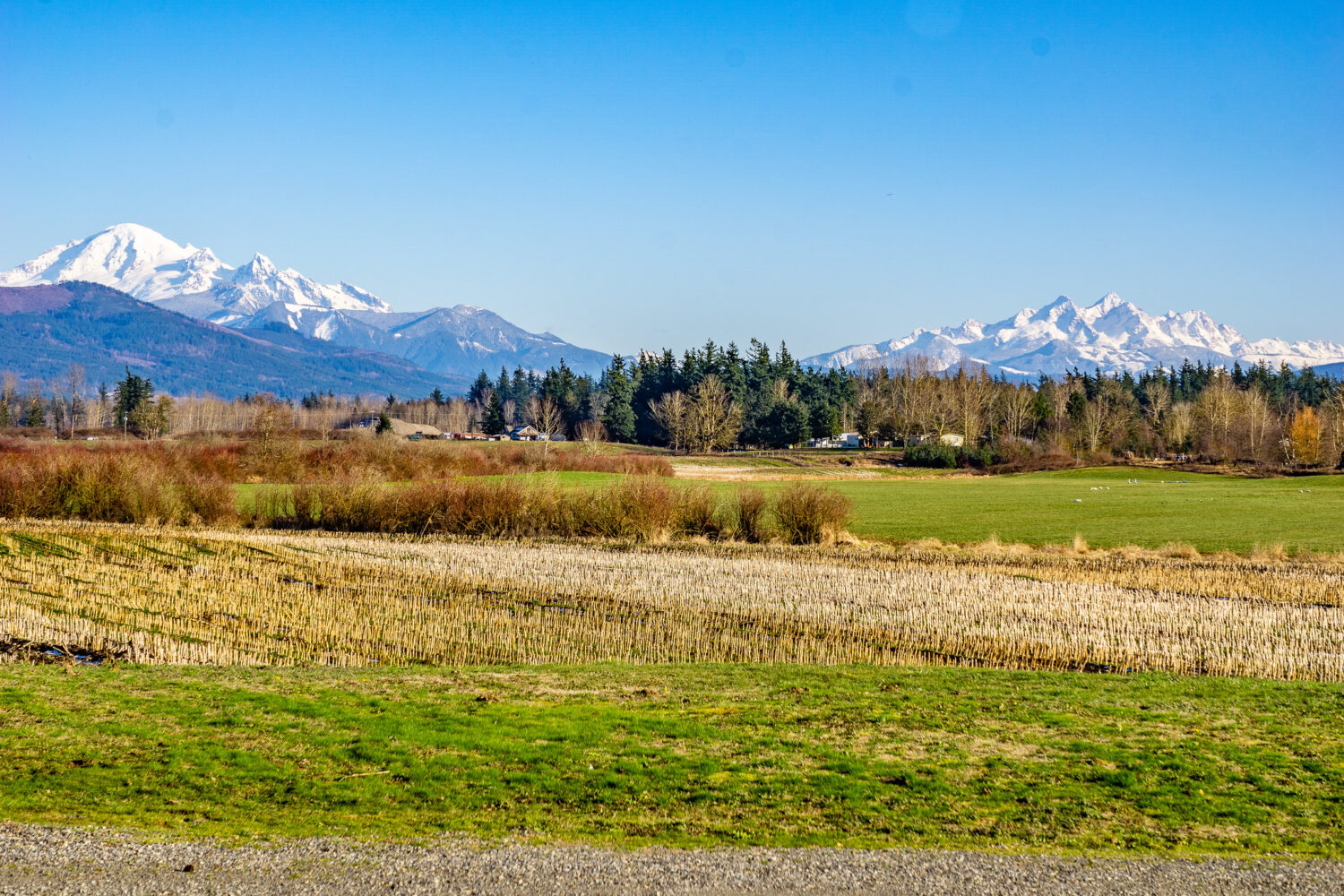
Futurewise and local partners appeal Whatcom County’s comprehensive plan
October 16, 2026
On Sept 30, Futurewise, RE Sources, & Whatcom Environmental Council filed an appeal of Whatcom County’s latest comprehensive plan update. Continue reading
Read more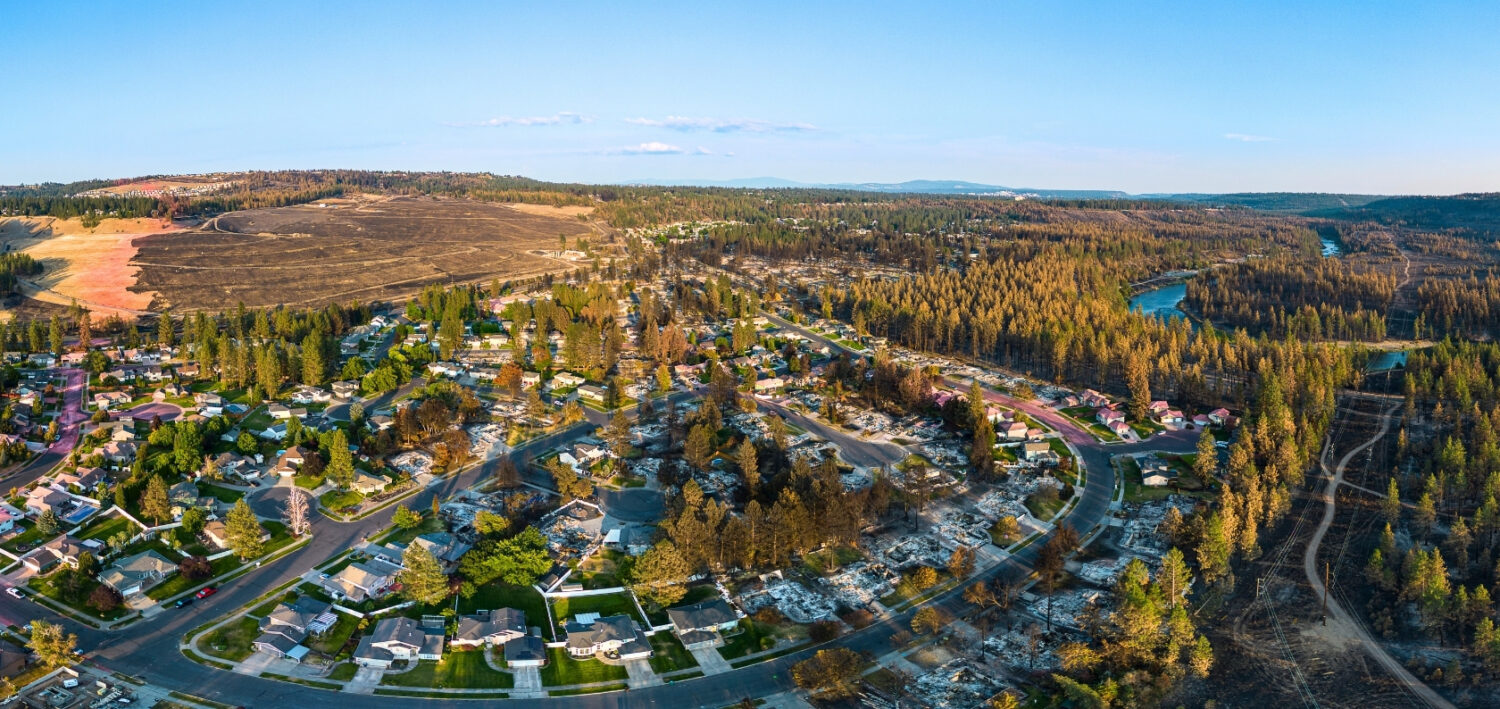
Spokane County’s growth pattern and the August 2026 wildfires
August 31, 2026
In the first week of August 2026, three wildfires — Old Trails, Fairview, and Autumn Lane — tore through the unincorporated fringe of Spokane County, burning more than 11,000 acres, destroying or damaging an estimated 850 to 1,000-plus structures, and forcing nearly 67,000 people to evacuate. Continue reading
Read more