Futurewise engages with counties across the state to improve comprehensive plans and shoreline master programs. When plans don’t meet the requirements of the Growth Management Act (GMA), Futurewise may appeal to bring them into alignment.
Futurewise wins 70% of the appeals we bring.
Founded in 1990 as the watchdog of the GMA, Futurewise has been the steward of smart local planning for over thirty years. One of our most powerful tools in shaping plans is our in-house legal department, which submits comment letters on plans as they are developed and brings appeals against plans that we feel are insufficient in meeting our community’s needs. In a typical, non-periodic update year, Futurewise works on 15-20 active legal appeals. For the next four years, we expect that work to triple as every county across the state works to update their comprehensive plan.
Latest Legal Updates
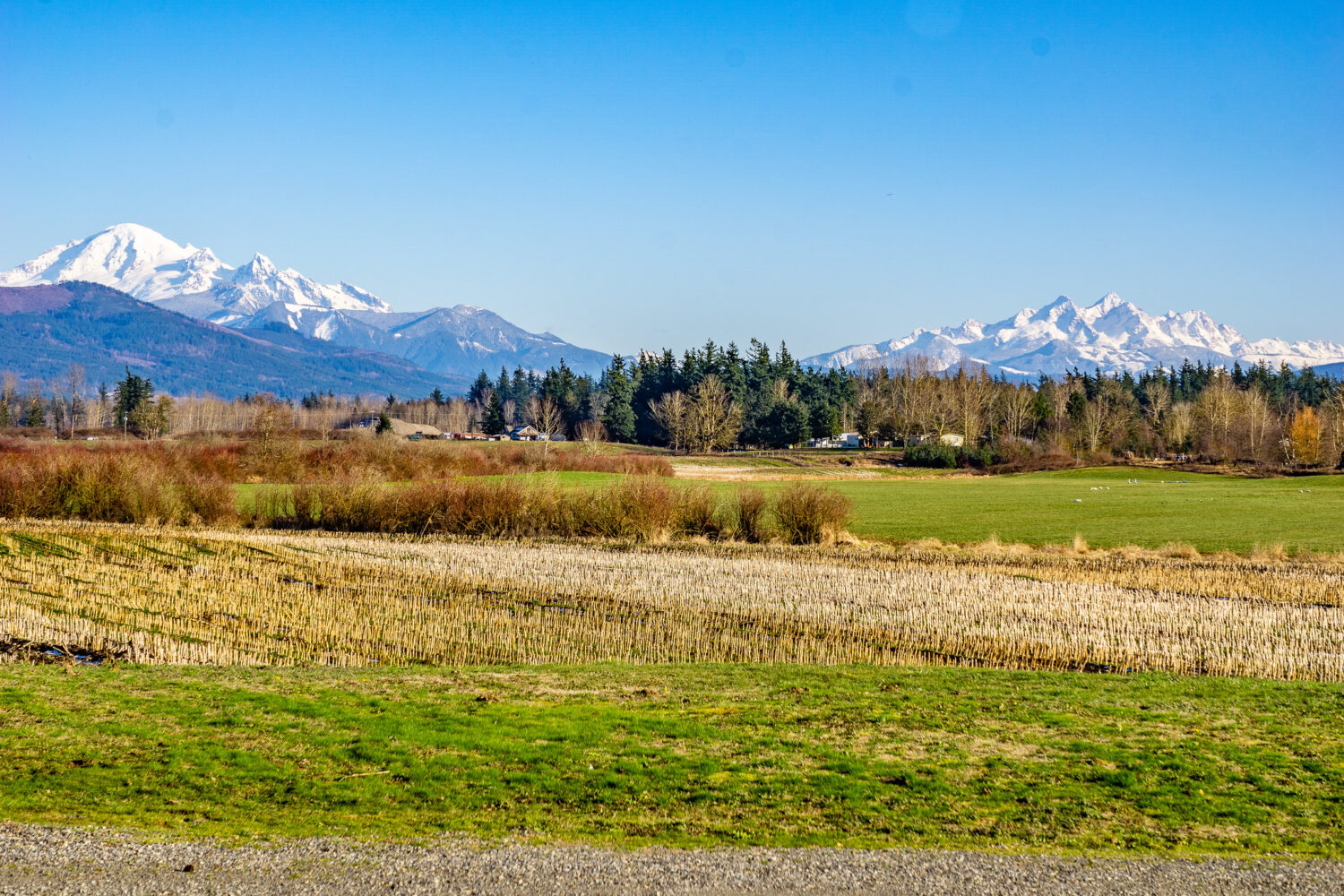
Futurewise and local partners appeal Whatcom County’s comprehensive plan
October 16, 2026
On Sept 30, Futurewise, RE Sources, & Whatcom Environmental Council filed an appeal of Whatcom County’s latest comprehensive plan update. Continue reading
Read more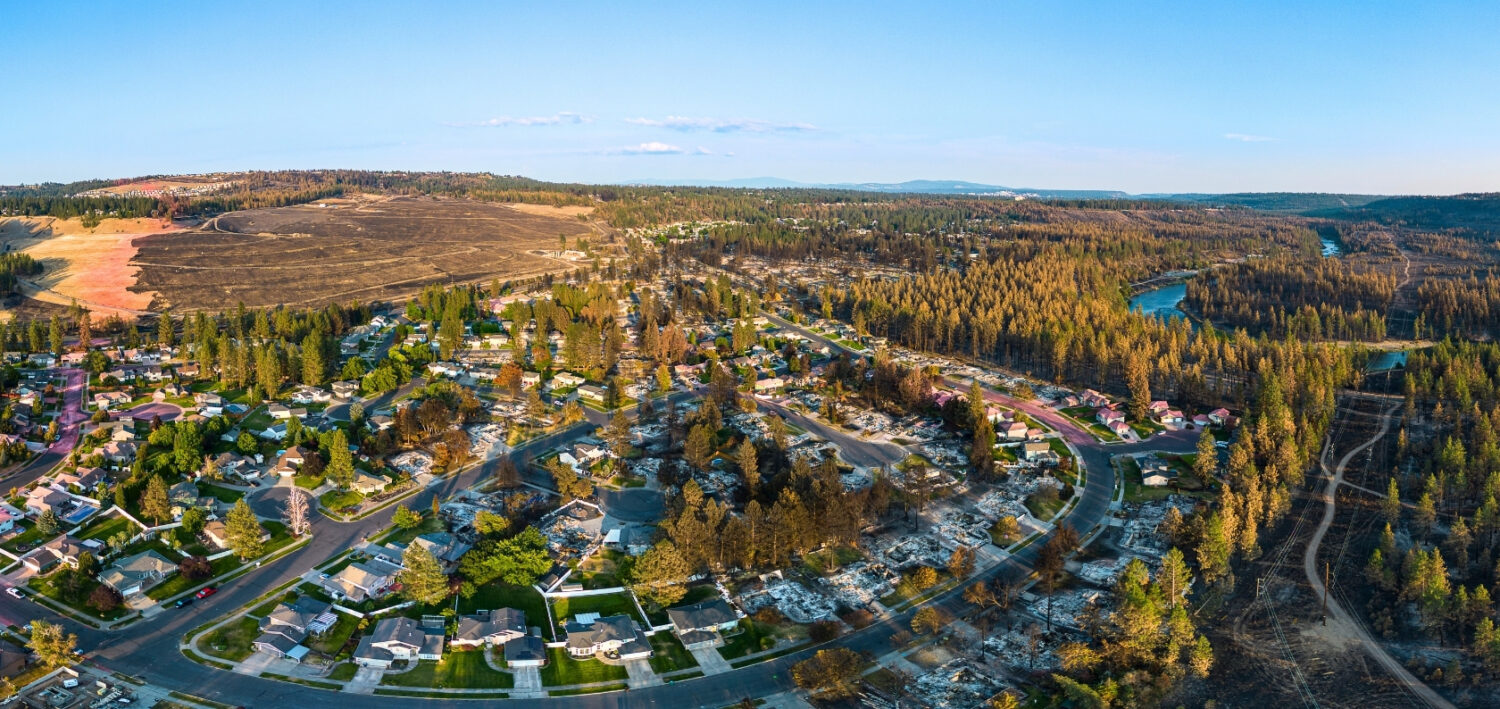
Spokane County’s growth pattern and the August 2026 wildfires
August 31, 2026
In the first week of August 2026, three wildfires — Old Trails, Fairview, and Autumn Lane — tore through the unincorporated fringe of Spokane County, burning more than 11,000 acres, destroying or damaging an estimated 850 to 1,000-plus structures, and forcing nearly 67,000 people to evacuate. Continue reading
Read more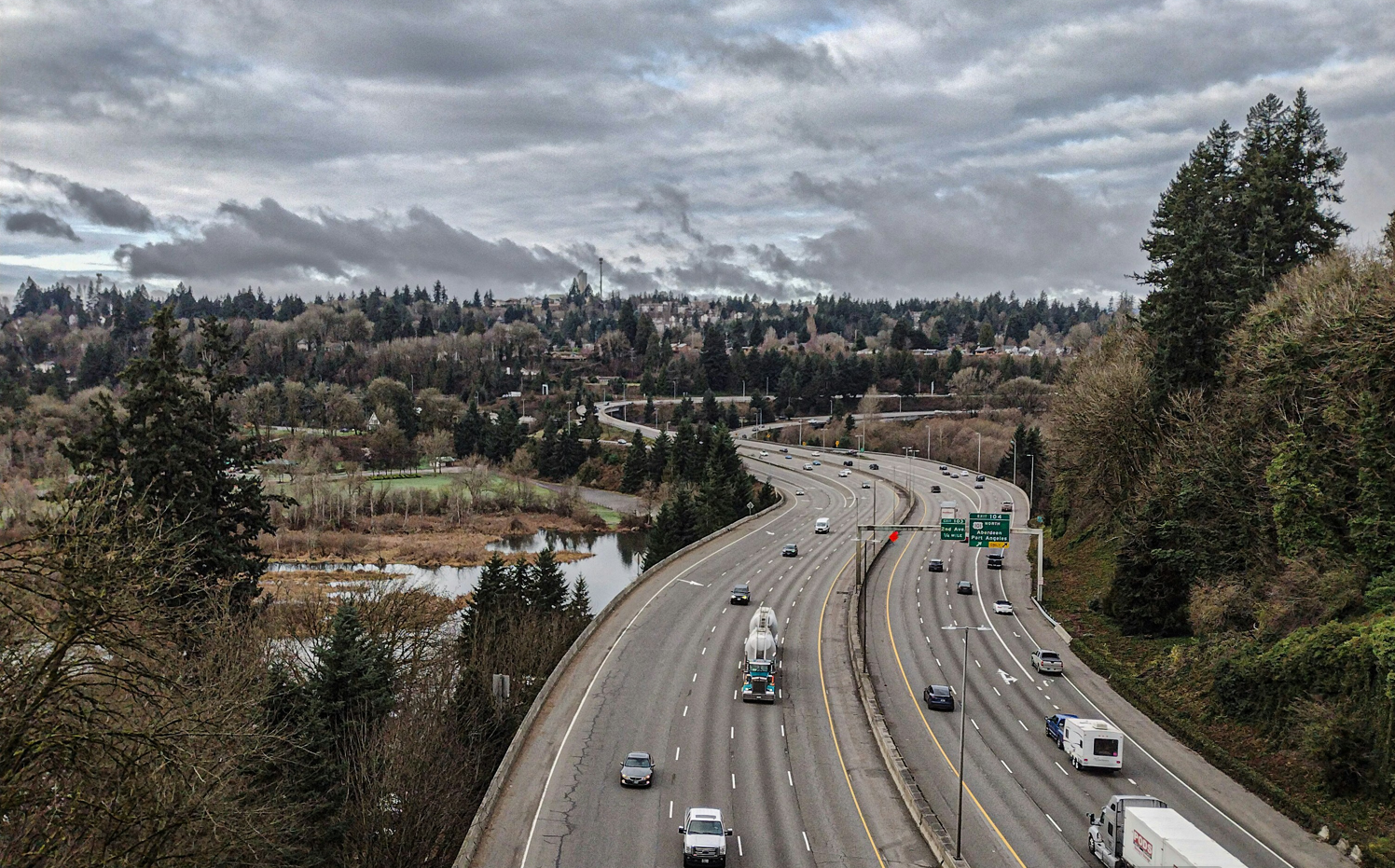
The Board Has Ruled: Aspirational Is Not Enough
August 28, 2026
On August 17, the Growth Management Hearing ruled that Thurston County’s plan does not comply with the GMA: both the greenhouse gas emissions reduction subelement and the climate resiliency subelement failed. This decision will shape climate planning across the state for years to come. Continue reading
Read moreRecent Legal Wins
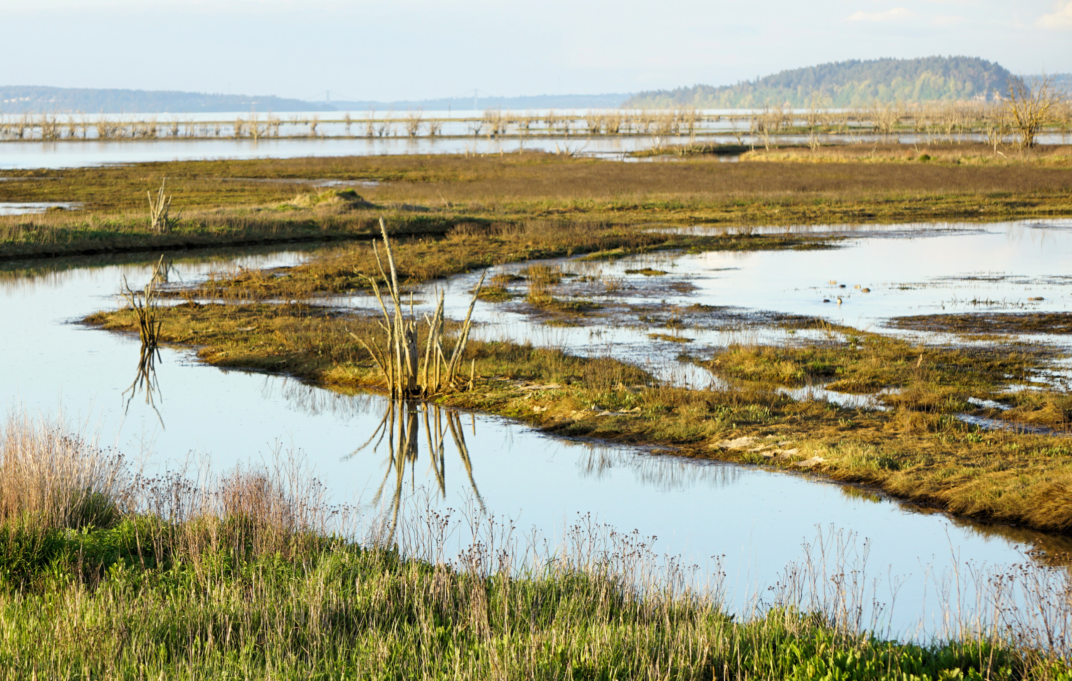
Thurston County
In August 2026, Futurewise won our appeal of Thurston County’s newly adopted climate element. This is the first real test of HB 1181: a statewide law that requires jurisdictions to include climate elements in their comprehensive plans.
The GMHB ruled in favor of Futurewise on two out of three issues raised. It agreed that Thurston failed to include measurable policies needed to reach their own greenhouse gas emissions target and failed to meet climate resiliency requirements.
Climate elements are new terrain for jurisdictions across the state, and this decision is the clearest guidance yet on what compliance looks like.
Mercer Island
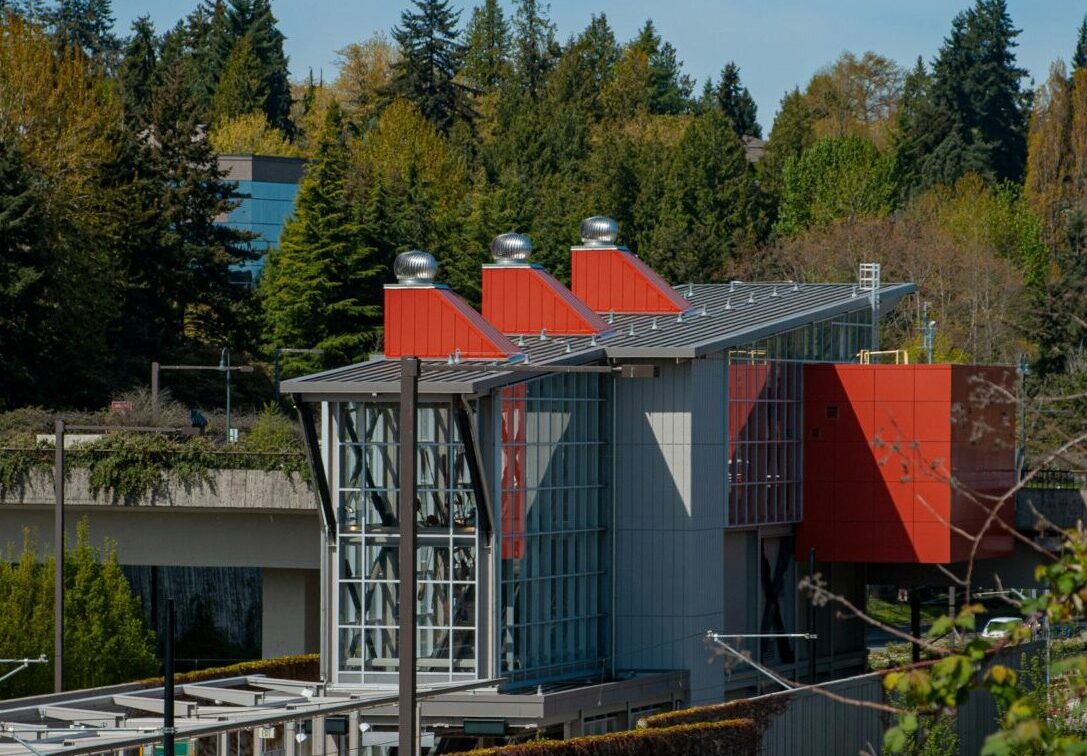
In August 2025, Futurewise won our appeal of Mercer Island’s latest comprehensive plan update. This ruling is the first test of of HB 1220 and sets a precedent for other cases across Washington.
Futurewise and Mercer Island residents contended that the update did not comply with HB 1220 nor with County Planning Policies that require plans to prioritize housing options for low-income households, adopt actions that repair harms to BIPOC households caused by racially exclusive land use policies, and adopt policies to promote equitable development.
The GMHB ruled in Futurewise’s favor on four out of the five issues raised. Most important, it agreed that Mercer Island didn’t adequately plan for the housing needs of lower-income communities in particular. The outcome of this case sets a precedent for local affordable housing policies across the state.
Kitsap County
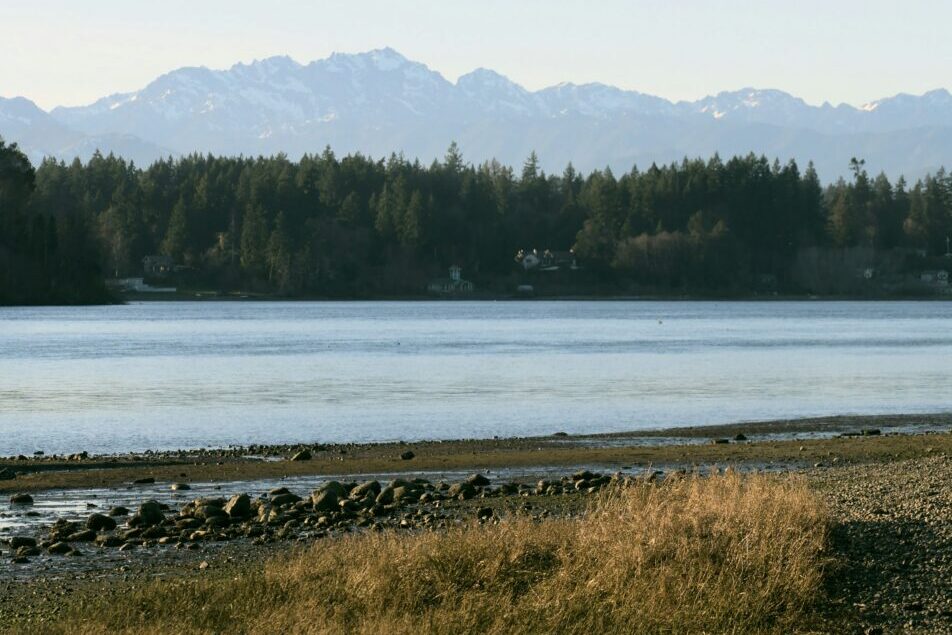
In April 2025, Futurewise filed our appeal of the Kitsap County – our first county appeal of the latest comprehensive plan update cycle, and the first to address updated housing and rural protection requirements from the State Legislature in 2021 and the Puget Sound Regional Council’s VISION 2050. There were four key issues in our appeal: housing, rural growth, agricultural conservation, and surface and groundwater protection.
In August 2025, the GMHB decision was released with some big wins and other mixed results.
The county brought the plan and regulations into compliance and Futurewise agreed the county was in compliance. The Board made a finding of compliance on Aug. 31, 2026.
Thurston County
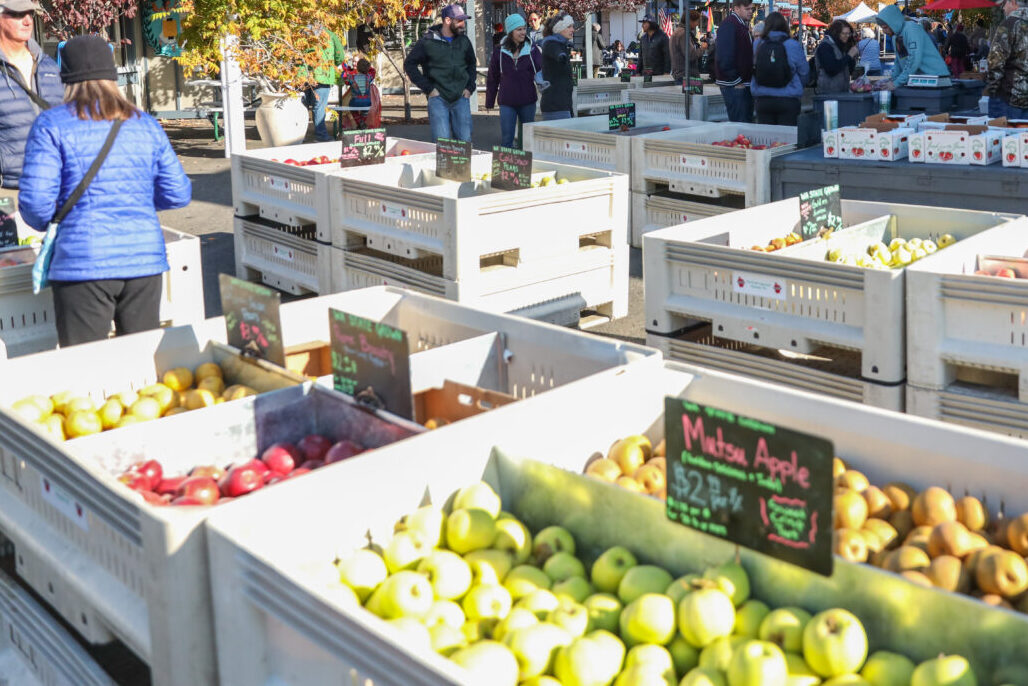
In January 2020, Futurewise challenged Thurston County’s 2019 comprehensive plan updates. We argued that the County’s revisions failed to comply with the GMA, particularly in areas concerning agricultural land preservation, rural density planning, and capital facilities planning.
This case highlighted discrepancies in land designations, inadequate protections for rural areas and critical environments, and insufficient financial planning for essential infrastructure.
Legal proceedings saw numerous extensions to accommodate legislative changes and ongoing negotiations. In August 2025, the Growth Management Hearings Board made its decision. It agreed with us that the County violated the GMA by failing to meaningfully consider “farmlands of statewide importance.”
In response to Futurewise’s legal advocacy and litigation, Thurston County initiated a community-driven review of agricultural policies and programs.
King County
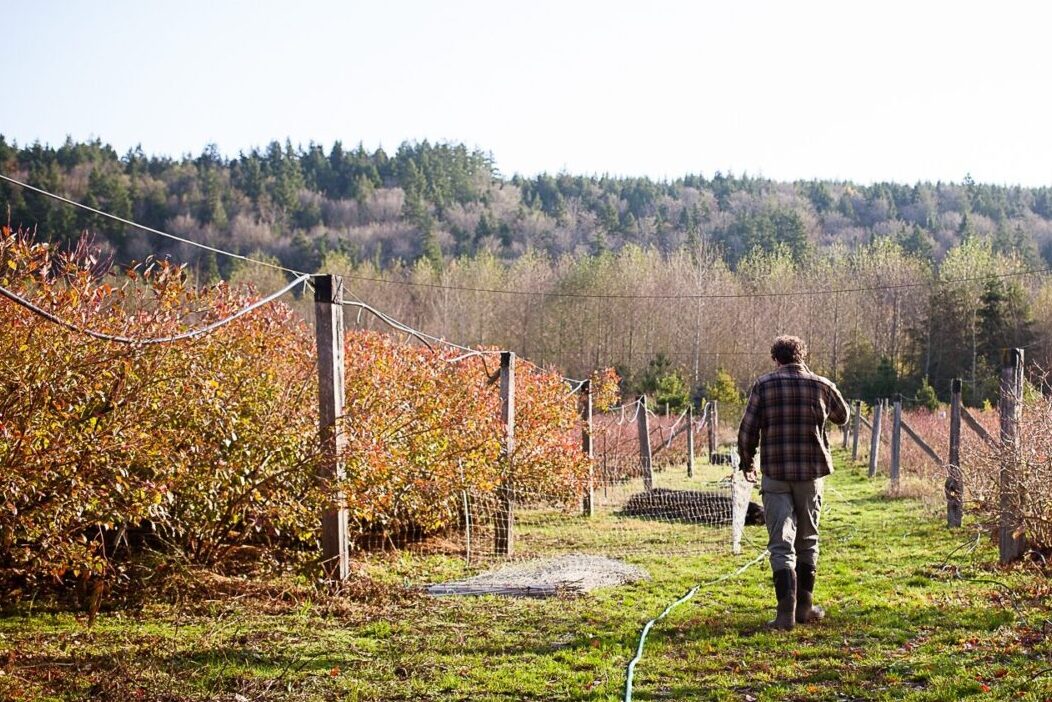
In fall 2024, Futurewise won our appeal before the State Supreme Court of King County’s Adult Beverage Ordinance. The Washington State Supreme Court ruled Thursday that King County’s Adult Beverage Ordinance, originally passed in 2019, violated the State Environmental Policy Act and the GMA. This ruling upholds farmland and rural area protection in King County and sets precedent for future preservation statewide.
Futurewise partnered with Friends of Sammamish Valley to appeal the ordinance. We contended the County failed to comply with legal requirements intended to ensure protection of agricultural lands, salmon habitat, open spaces, rural areas, and the environment.
Following our victory at the State Supreme Court, King County will now work to adopt a new ordinance that addresses community concerns. Watch the #TimTalk for this case.
Snohomish County
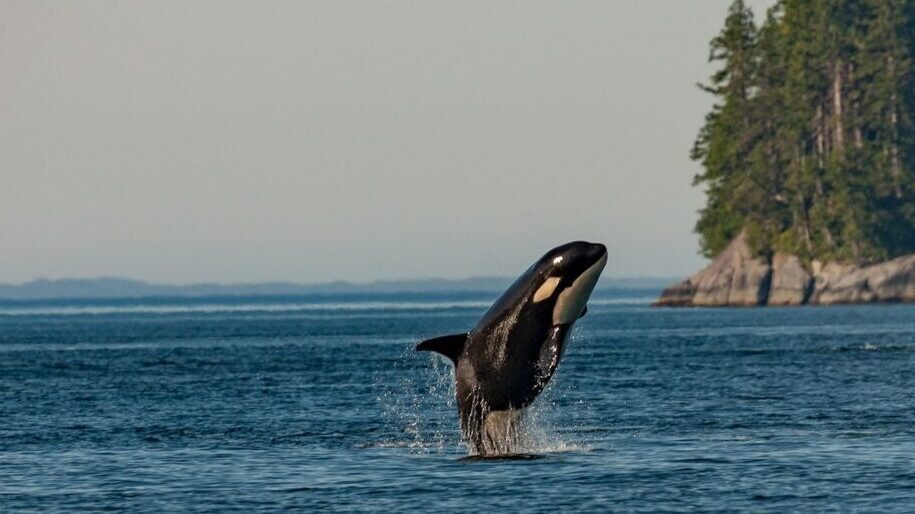
In February 2026, the GMHB agreed with Futurewise and its allies that the Snohomish County critical areas regulations failed to adequately protect rivers and streams.
Critical areas regulations are required to protect fish and wildlife habitats and must be updated every ten years. Snohomish County’s updated regulations left roughly 15,000 acres of existing riparian forests at risk of being adversely impacted by poorly located development. Snohomish County has until the end of 2026 to adopt regulations to protect these important habitats.
This decision will set an important precedent on what is needed to protect salmon and steelhead habitat and a great next step in protecting critical species.